Going plant based is healthy and sustainable. You can get your nutrients from whole plant-based foods …. that is where the animals get them!
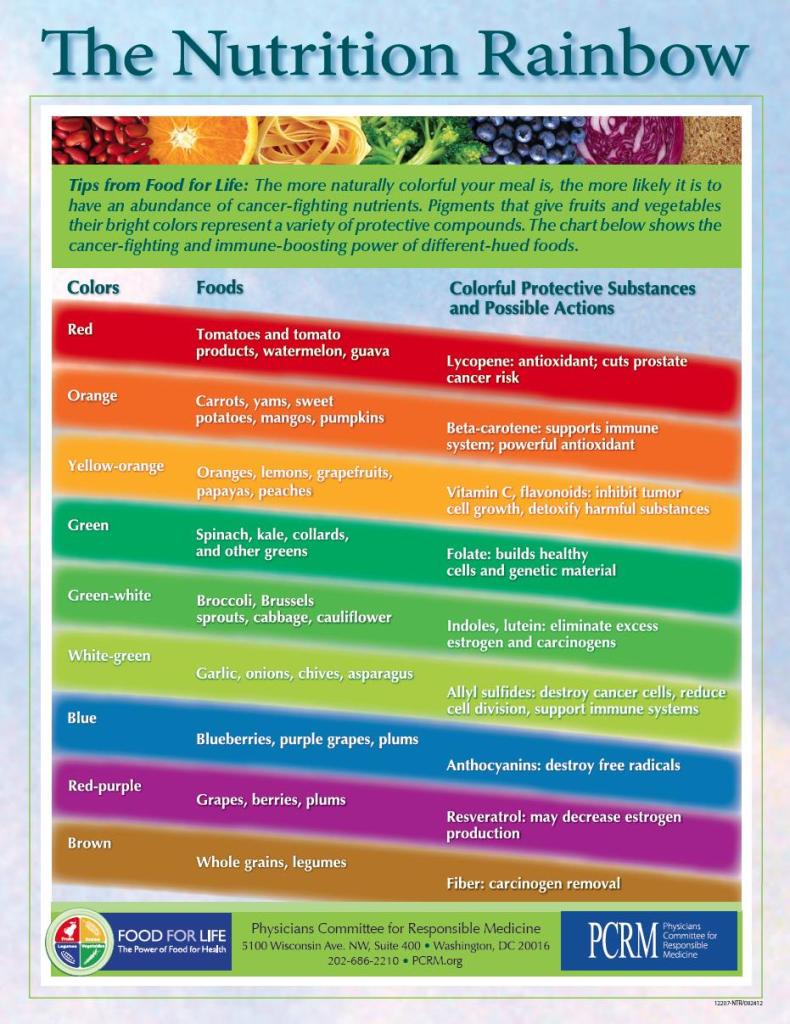
If you consume a variety of 30 or more whole plant-based each week, across all categories of legumes, whole grains, fruits and vegetables, nuts and seeds, you will significantly improve your gut microbiome and immune system health. Whole plant-based foods provide all nutrients, including calcium, electrolytes, fiber, iron, healthy fats like Omega 3 fatty acids, collagen, and protein. One nutrient you may need to add if you go plant-based is vitamin B 12, which can be obtained from fortified cereals, soy drinks, and vegan vitamin B 12 supplements
All plant foods contain complete protein with all 20 dietary amino acids.
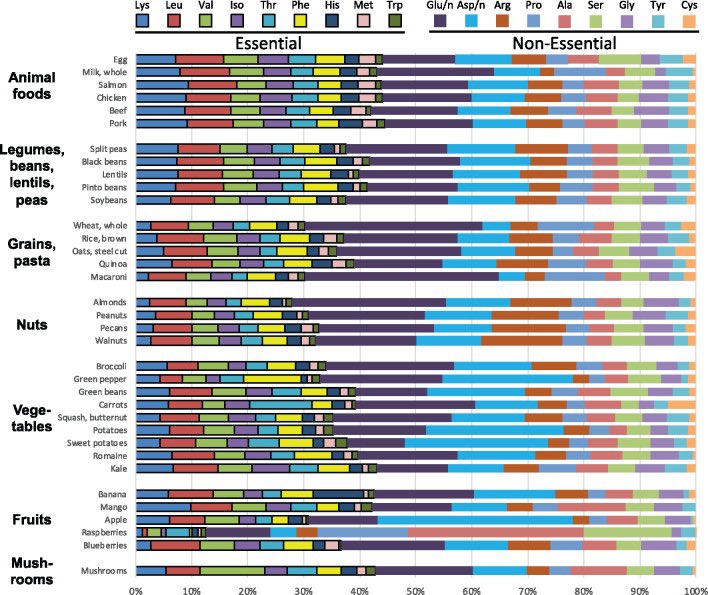
Source Dr. Christopher Gardner Article Nutrition Reviews
https://www.ncbi.nlm.nih.gov/pmc/articles/PMC6394758
Americans get enough protein and whole plant-based protein is far better than animal-based protein
The standard of Required Daily Allowance for protein ranges across a normal distribution. The RDA was set at the high end of the range to be sure that the majority of people attained the required level of protein. The Standard American Diet is high in animal products and ultra processed foods and tends towards excessive and unnecessary protein amounts. The body does not have a way to store excess protein, so excess protein turns to fat and is stored as fat.
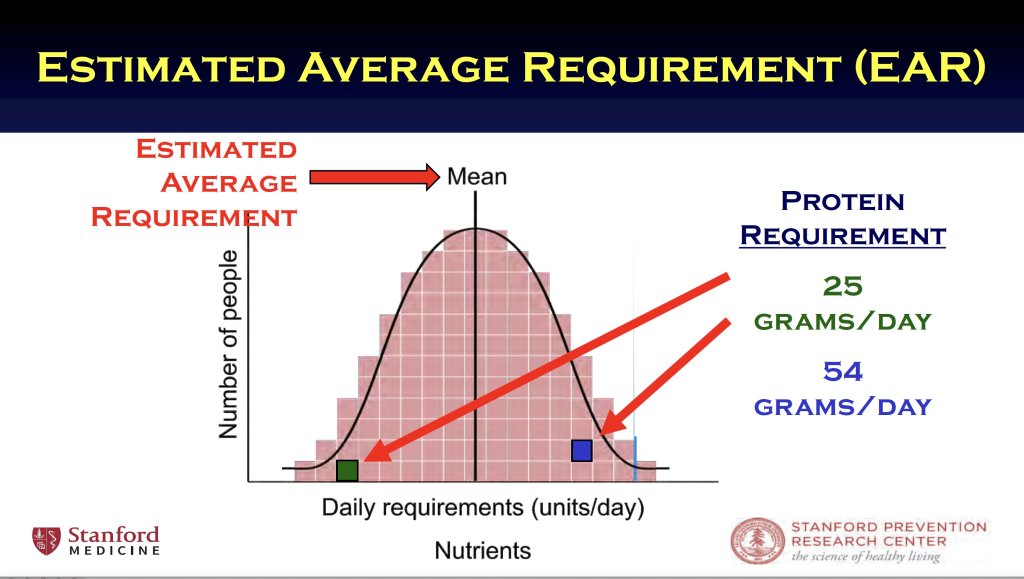
Source Dr. Christopher Gardner Stanford Medicine Stanford Prevention Research Center
Whole plant-based foods are a better source of healthy nutrients than animal based foods, with no dietary cholesterol and low levels of fats
Nutrient Differences Between Plant-Based and Animal-Based Foods
| Nutrient | Plant-Based Foods | Animal-Based Foods |
| Cholesterol (mg) | None | 136 |
| Fat (g) | 4 | 36 |
| Protein (g) | 33 | 34 |
| Beta-carotene (mcg) | 29,918 | 17 |
| Dietary fiber (g) | 31 | None |
| Vitamin C (mg) | 293 | 4 |
| Folate (mcg) | 1168 | 19 |
| Vitamin E (mg ATE) | 11 | .5 |
| Iron (mg) | 20 | 2 |
| Magnesium (mg) | 548 | 51 |
| Calcium | 545 | 252 |
This table provides an example comparing a 500 calorie blended mixture of plant foods with a 500 calorie blended mixture of animal products
Source Center for Nutrition Studies and Food Data Central from the USDA
Animal products can cause chronic, systemic inflammation
“If you whack your shin really hard on a coffee table, it can get all …. inflamed, but will heal naturally” in time. Eating animal products at every meal that causes inflammation is like hitting your leg “in the same place three times a day. Our body wants to come back to health, if we let it. But if we keep injuring it three times a day, we may never heal.”
Dr. Michael Greger Nutrition Facts
Animal foods have been linked to many diseases like cancer, heart disease, diabetes, high blood pressure, high cholesterol, and Alzheimer’s
The World Health Organization classified processed meat like bacon and hot dogs as a Group 1 carcinogen, which means processed meat is known to cause certain types of cancer at the level of asbestos and tobacco smoking
The World Health Organization classified red meat from any mammal, as a Group 2 A carcinogen, so red meat is a probable carcinogen
Animal products like meat, poultry, fish, dairy, and eggs can have harmful levels of dietary cholesterol, trans fat, and saturated fat. They often contain contaminants such as antibiotics, pesticides, steroids, preservatives, growth factor hormones, bacteria and other pathogens, and chemical toxins.
Comparison of legumes and meat and poultry, conventional and organic
| Food components | Beans and lentils | Meat and poultry |
| Healthy food components | ||
| Fiber | Very high | None |
| Antioxidants | High | Low |
| Phytochemicals | High | None |
| Prebiotics and probiotics | Very high | None |
| Plant sterols and stanols | High | None |
| Harmful food components | ||
| Neu5Gc | None | Moderate to high |
| Trans fat | None | Moderate |
| Cholesterol | None | Moderate to high |
| Saturated fat | Low | Moderate to high |
| Endotoxins | Very low | Low to high |
| TMAO and precursors | None | Moderate to high |
| Chemical contaminants | Low | Moderate to high |
| Pro oxidants like heme iron | None | Moderate to high |
| Products of high temp cooking | Low | Low to high |
Source Brenda Davis RD https://brendadavisrd.com/legumes-vs-meat
This chart includes only a fraction of the many positive components of whole plant-based foods and the many harmful components of animal products
Eggs contain saturated fat and dietary cholesterol and have been linked to cancer, diabetes, and cardiovascular disease.
http://www.pcrm.org/good-nutrition/nutrition-information/health-concerns-with-eggs
Dairy products like milk, butter, yogurt, and cheese contain saturated fat, dietary cholesterol, hormones, and casein and growth factors like IGF-1, which promote certain types of cancer. Dairy products significantly increase the risk of heart disease, diabetes, Alzheimer’s disease, breast, ovarian, and prostate cancers.
https://www.doctorklaper.com/dairy-free
https://www.pcrm.org/good-nutrition/nutrition-information/health-concerns-about-dairy
Cholesterol, carcinogens, and pathogens such as fecal contaminants found in chicken products increase the risk of heart disease, breast and prostate cancers, urinary tract infections, and foodborne illness.
Source Physicians Committee for Responsible Medicine
Fish and seafood can contain mercury and other heavy metals, DDT, PCBs, dioxins, chlordane, parasites, and microplastics.
https://p.widencdn.net/zsvtil/Health-Concerns-About-Fish-Fact-Sheet
https://www.epa.gov/national-aquatic-resource-surveys/indicators-fish-tissue-contaminants
Because antibiotics are used so often in animal agriculture, the bacteria in animal products can be resistant to medications.
“Antimicrobial-resistant bacteria can contaminate meat or other animals products. Some of the bacteria that cause food poisoning are antimicrobial resistant – meaning certain medicines do not work against the bacteria.
People with a severe infection may need to see a doctor, be prescribed antibiotics, or be hospitalized. Resistant infections can be difficult, and sometimes impossible, to treat. This can lead to more costly treatments and higher risks for side effects.”
https://www.cdc.gov/foodsafety/challenges/antibiotic-resistance.html
Conventional AND organic animal products contain many contaminants and other harmful components
One way to find out how many ways conventional animal products are contaminated is to learn about what organic animal products are supposed to NOT have.
Organic meat is produced without “most conventional pesticides, fertilizers made with synthetic ingredients or sewage sludge, bioengineering, or ionizing radiation. To qualify as organic, meat, poultry eggs, and dairy products must come from animals that have been given no antibiotics or growth hormones.” In addition, the farm animals are fed non GMO, organic feed that does not have prohibited feed ingredients like urea, manure, or arsenic compounds.
Source USDA
“By law, certified organic meat must come from animals fed organic feed that is free of pesticides and animal by-products, so one might assume it has lower accumulation of chemical residues. However, when researchers tested 76 samples of different kinds of organic and conventional meat, not one was completely free of carcinogenic contaminants and “the differences between organically and conventionally produced meats were minimal.” Further, current meat consumption patterns are associated with carcinogenic risk, and, strikingly, intake of organic meat seems to elevate it even higher.”
Dr Michael Greger Nutrition Facts
https://nutritionfacts.org/blog/certified-organic-meat-put-to-the-test
Going plant based is better for health aging because whole food plant based nutrition naturally is less calorie dense and more nutrient dense, eliminates animal based foods and harmful animal based protein, eliminates ultra processed foods, and increases plant based foods.
Interventions to Regulate Aging Pathways include increasing plant foods
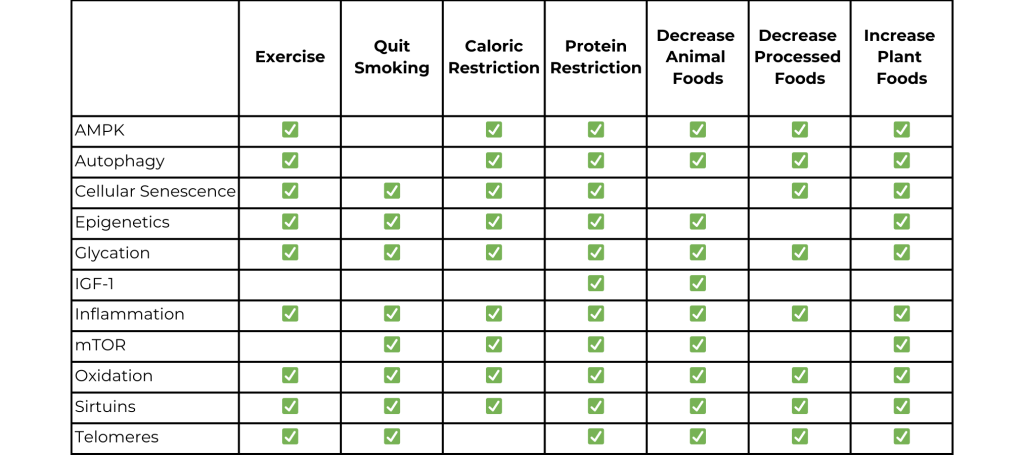
Source Dr. Michael Greger from the book How Not To Age
The evidence is clear that there are no healthy reasons to consume animal based foods. And there are many other reasons to go plant based as well!
Going plant based is better for all types of health, including animal, human, economic, social, spiritual, environmental, governmental, and organizational health for the entire world.
 The PLANT Providers